Treatments for Obstructive Sleep Apnea
Obstructive sleep apnea is a serious sleep disorder that disrupts breathing during sleep, leading to various health issues. At Midwest Dental Sleep Center, our goal is to open the airway, restore normal breathing, and alleviate bothersome symptoms such as daytime fatigue, snoring, and more. Proper treatment can also help lower blood pressure and reduce risks of serious conditions like stroke, diabetes, and heart disease.

Treatment Approaches for Obstructive Sleep Apnea
01
Conservative Treatments for Mild Obstructive Sleep Apnea
For mild cases of obstructive sleep apnea, conservative treatments may be sufficient:
- Weight Loss: Reducing body weight can significantly alleviate symptoms by decreasing pressure on the airway.
- Substance Cessation: Quitting smoking helps reduce airway inflammation, while avoiding substances with sedative effects such as alcohol, marijuana, and certain medications may help maintain an open airway during sleep.
- Positional Therapy: Sleeping on your side or elevating the head may help prevent airway obstruction, particularly for those who primarily experience apnea while sleeping on their back.
- Managing Environmental Allergies: Addressing allergies and sinus conditions can enhance airflow.
At Midwest Dental Sleep Center, we provide FDA-approved custom oral appliances for the treatment of obstructive sleep apnea and snoring. Each appliance is custom fabricated for the individual patient and overseen by our dentists, who are Diplomates of the American Board of Dental Sleep Medicine.

Non-Invasive Treatments for Obstructive Sleep Apnea
Oral Appliance Therapy:
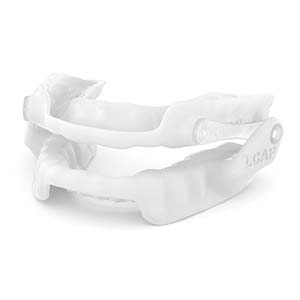
- Custom-Fit Devices: These appliances, similar in appearance to a mouthguard or retainer, are custom-fabricated to fit comfortably over the teeth and are worn during sleep.
- Airway Support: The appliance gently positions the lower jaw forward, helping to maintain an open airway and prevent the tongue from collapsing backward and obstructing airflow.
- Expert Evaluation: A dentist certified by the American Board of Dental Sleep Medicine (ABDSM) should evaluate your candidacy for oral appliance therapy. At Midwest Dental Sleep Center, all treating dentists are Diplomates of the ABDSM, ensuring the highest standard of care.
Positive Airway Pressure (PAP) Therapy:
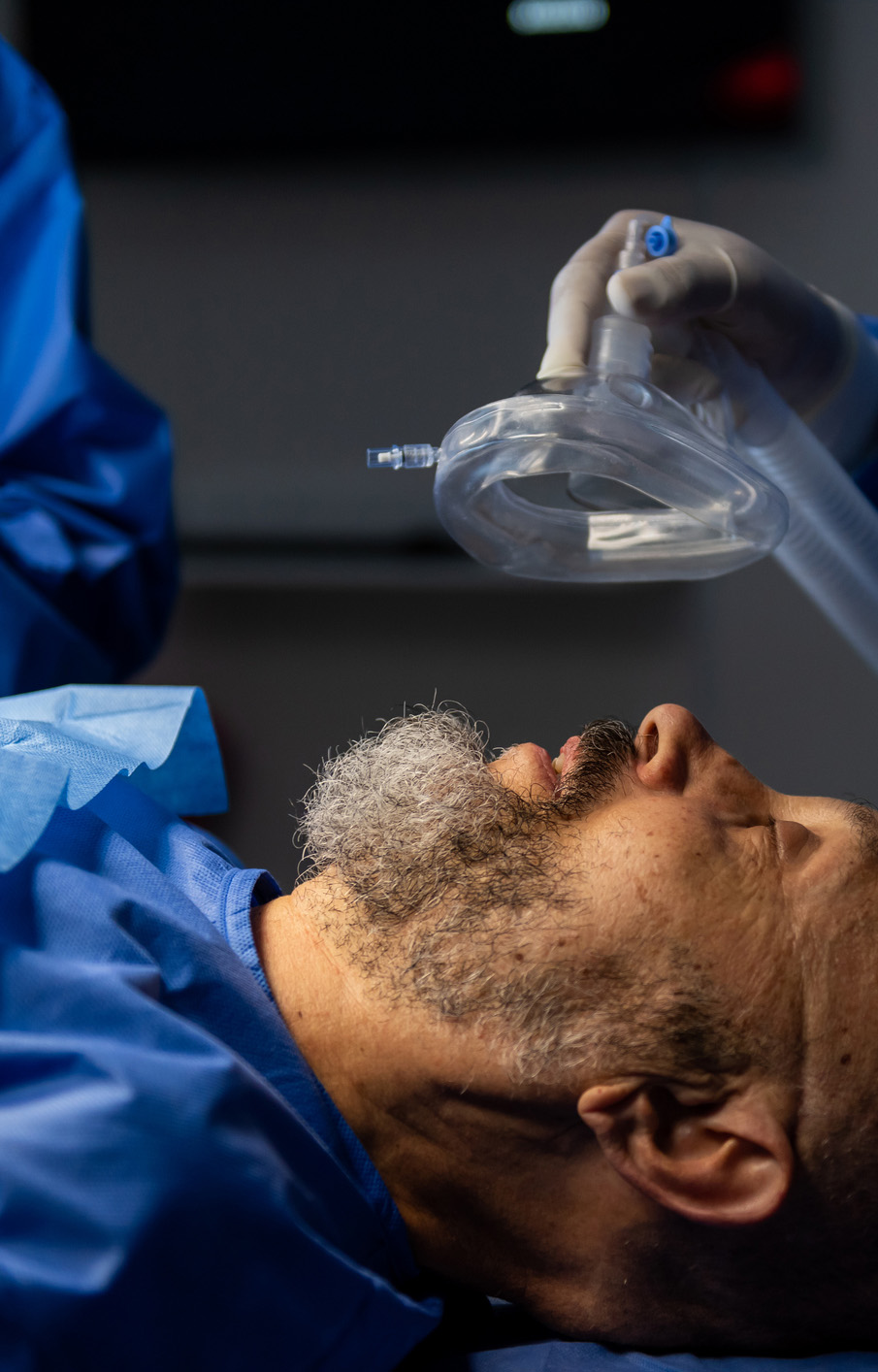
- How It Works: A mask is worn and connects to a machine that uses pressurized air to maintain an open airway during sleep. The mask may consist of small nasal inserts or pillows, or it may cover the nose, mouth, or both (a full-face mask), depending on individual needs and comfort.
- Customized Pressure Settings: Air pressure may remain constant or adjust automatically throughout the night, as directed by the prescribing sleep physician.
- Effectiveness Depends on Consistent Use: PAP therapy is effective only when used consistently. Symptoms of apnea may recur if the device is not used as recommended.
Combination Therapy:
- Involves the simultaneous use of an oral appliance and positive airway pressure (PAP) therapy.
- This method can reduce the required PAP pressure and enhance overall treatment effectiveness.
Hybrid Therapy:
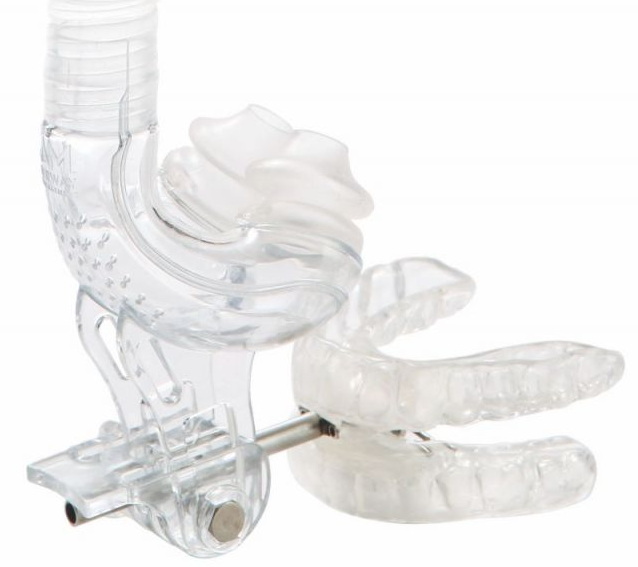
- Custom hybrid therapy connects a custom oral appliance to a CPAP nasal pillow mask via a custom interface between the two.
- This combination eliminates straps, stabilizes your jaw, prevents mask shifting, and potentially uses lower levels of air pressure due to its synergistic effect.
Surgical Procedures for Severe Sleep Apnea
- Tonsillectomy
- Adenoidectomy
- Uvuloplasty
- Palatoplasty
- Turbinoplasty or Polyp Removal
- Septoplasty
- Tongue Advancement or Reduction
- Upper and Lower Jaw Advancement
- Tracheostomy
- Palatal Expansion Techniques:
- MARPE (Minimally Invasive Rapid Palatal Expander): A device used to widen the upper jaw and improve airway space, effective in adults.</list-style-type=”square”;>
- DOME (Dual-Action Palatal Expansion): A method that expands the palate while promoting nasal airflow.
- SARPE (Surgically Assisted Rapid Palatal Expansion): Involves surgical intervention for rapid expansion of the upper jaw, typically recommended for adults with significant airway obstruction.
- Inspire Therapy:
- A surgically implanted device that stimulates the hypoglossal nerve, controlling tongue movement to keep the airway open.
- Patients activate the device before sleeping and can adjust the stimulation based on comfort.